


People expect the kayaker sending a massive Class 5 rapid to be the one to meet an early end. In reality, it’s the average person that is the likelier victim of a paddlesport fatality. Well-seasoned paddlers have hours of experience under their belt, often take courses in whitewater safety and rescue, and know how to use their equipment properly. They’ve done the research and put in the time. Reports show that it’s the first-timer that is in greater danger than they realize. We all started as beginners, and there is nothing wrong with trying a new activity. But when striking out on your own for the first time, safety is not always at the forefront. In a world of Youtubers who make it look easy, and do-it-yourself low budget travellers, a lack of knowledge and experience can cost a life.
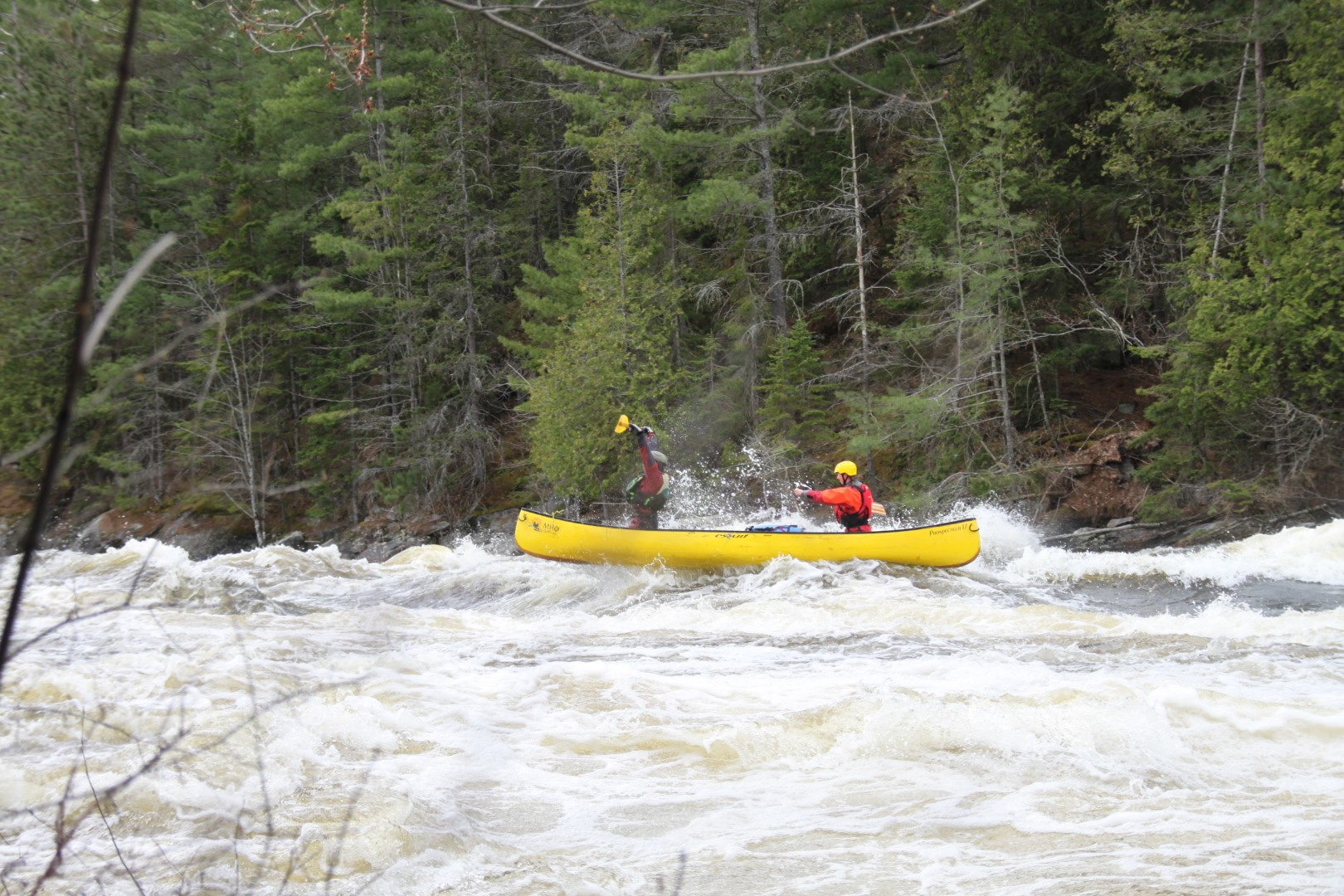
In 2020, there was a boom in outdoor recreational activities. We all needed to get outside and reap the benefits of fresh air and green spaces. With more people on the water, paddlesport fatalities also rose. The majority of these deaths were individuals with little to no experience paddling (under 100 hours). In 2023, the US Coast Guard annual report on recreational boating showed that while other recreational boating deaths were down, paddlesport deaths had increased. The same category of beginner remained the majority of victims. How do we mitigate this? As a paddling community we should encourage those who want to try the sport we love so much. The more people who paddle, the stronger our community becomes! Here are a few ways in which newcomers can protect themselves and seasoned paddlers can support those just starting out.
Don’t be that guy on the water, too cool to wear his PFD, claiming that he’ll get weird tan lines if he wears one. This is something I’ve seen a number of times, even while paddling rapids. It’s not usually the seasoned paddler with waterproof packs well balanced in their canoe not wearing a PFD. It’s the yahoo with two coolers and a case of beer stacked that’s omitting their safety equipment. Believe me, those tan lines are worth it. Safety is sexy.
A proper fitting PFD can save your life. I say PFD and not lifejacket because the majority of the time people are buying and wearing a Personal Floatation Device and not a “lifejacket”. What’s the difference? A PFD will keep you floating, but will not turn you over if you are face down in the water. A lifejacket should flip you onto your back if you are unconscious in the water. It’s not enough to just have it in the boat, you need to wear it. Especially if you have children in the boat with you. Monkey see, monkey do, if you don’t wear a PFD, they may refuse theirs. Children don’t understand the risk of not wearing one. Set an example and wear your PFD.
Don’t charge in blindly, know where you are going, and have a map of your route. If the weather forecast is rainy and windy, consider postponing your new kayaks maiden voyage. If you’re going out on your first overnight trip, choose a park over crown land. Parks often have more support and information available than the remote crownland campsite your buddy told you about. Tell someone your route and expected return, and both of you should have a list of emergency numbers in case you are late.
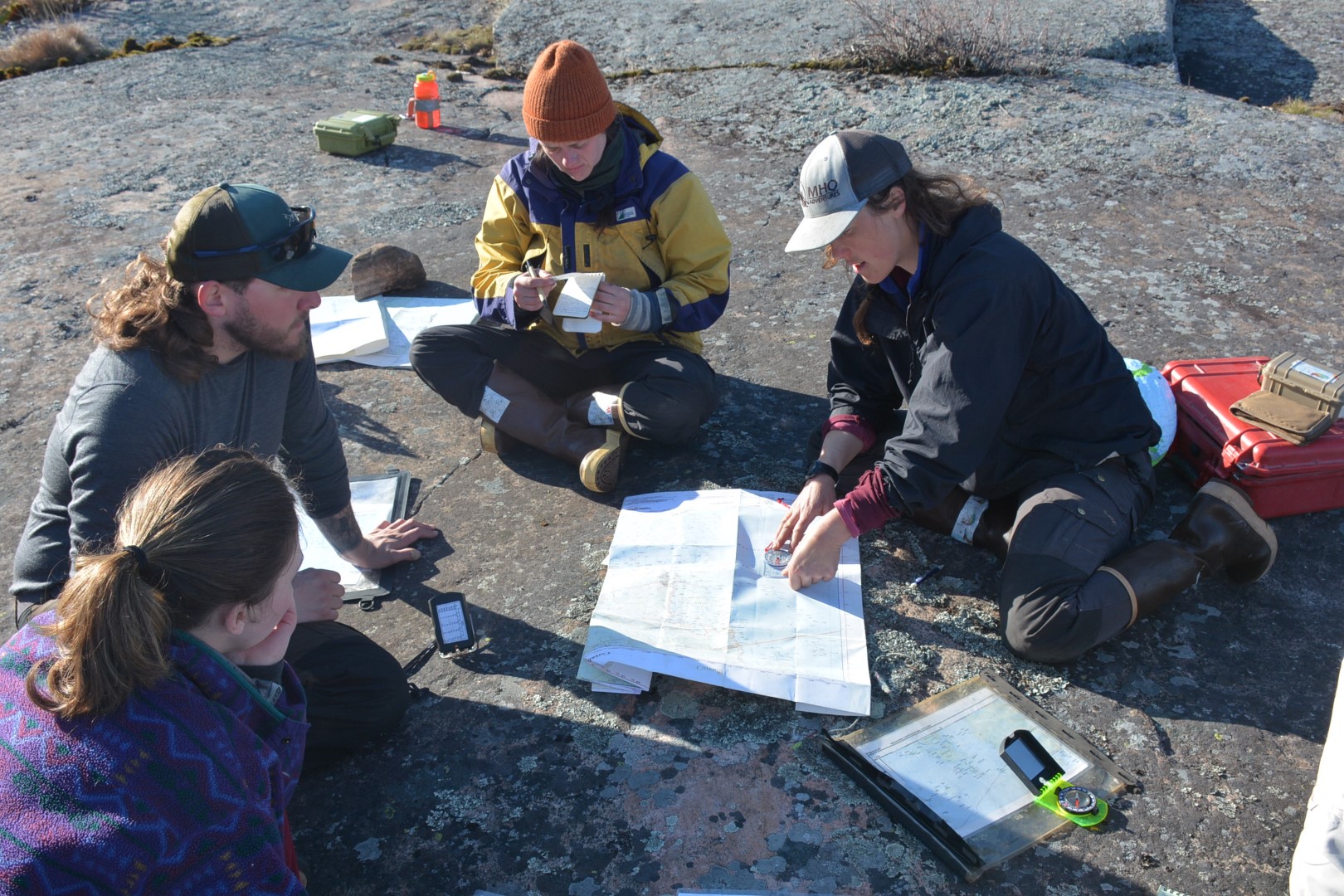
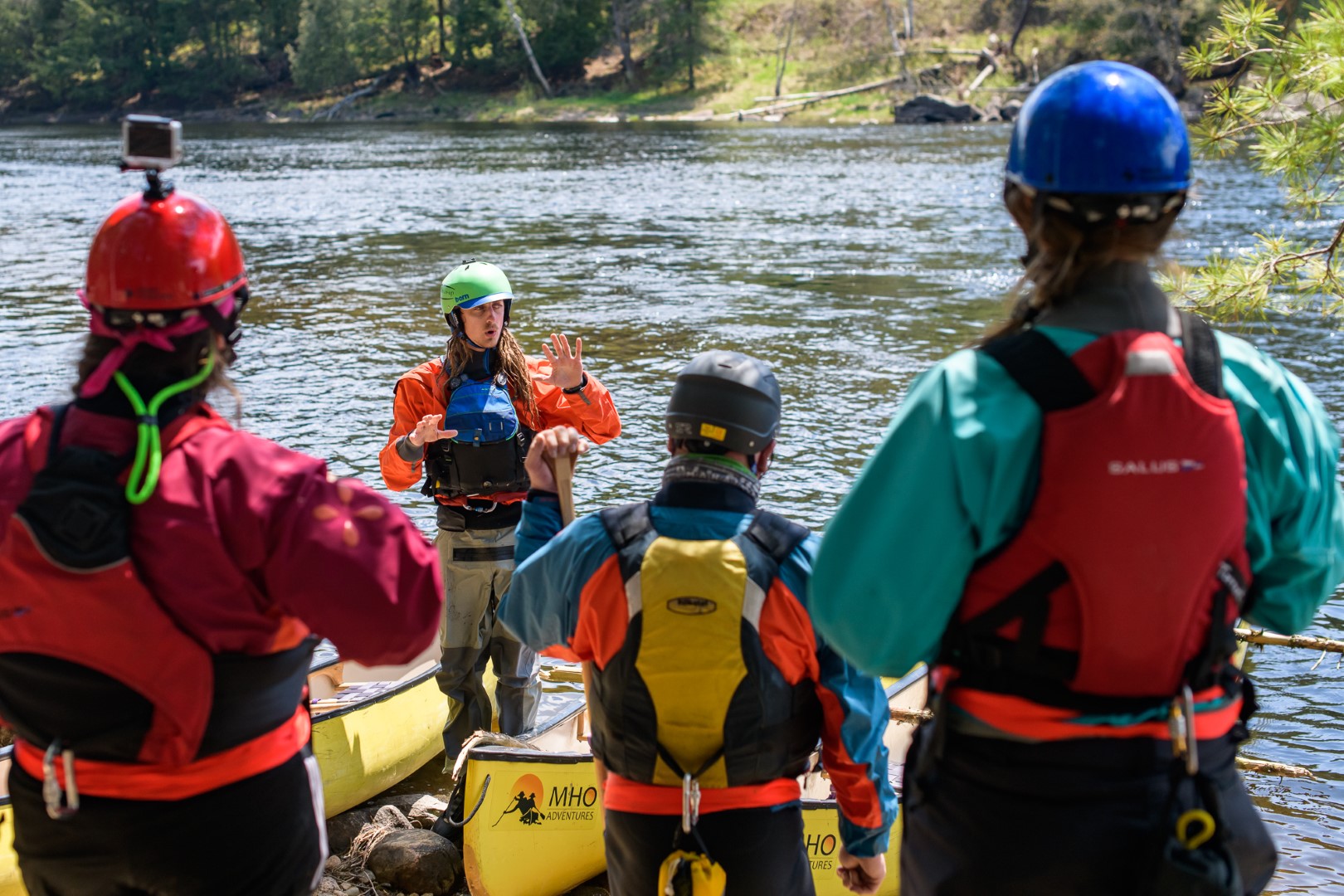
If you are renting a boat for the first time, take a course first to learn how to handle it safely and what to do in an emergency. There are donation based or low cost “learn to paddle” courses offered by local paddling clubs, parks, or other community organizations. Knowing how to steer your boat correctly when the wind picks up could save your life. I cannot stress the importance of an intro course when it comes to whitewater. Paddling whitewater alone with no previous knowledge or experience is taking a serious risk. Joining a paddling club is a great way to learn new skills, make new friends, and get advice on gear and routes from experienced paddlers. The outdoor community is always happy to help a fellow paddler who is just getting their paddle wet for the first time. Most people will be all too happy to give you advise on which PFD you should buy and what maps are the best. Don’t forget to bring all the government required safety equipment with you!
It’s not only up to the individual to stay safe. Non-specialty retailers and big box stores selling boating equipment should also promot education and safety. Many beginners buy their first vessel from a box store to make sure they like it or keep it at the cottage. An amazing example of a corporation stepping up and taking responsibility for safety is Dick’s Sporting Goods in the US. They’ve partnered with the American Canoe Association to offer free online paddling courses to employees and customers, while also promoting the importance of wearing a floatation device while on the water.
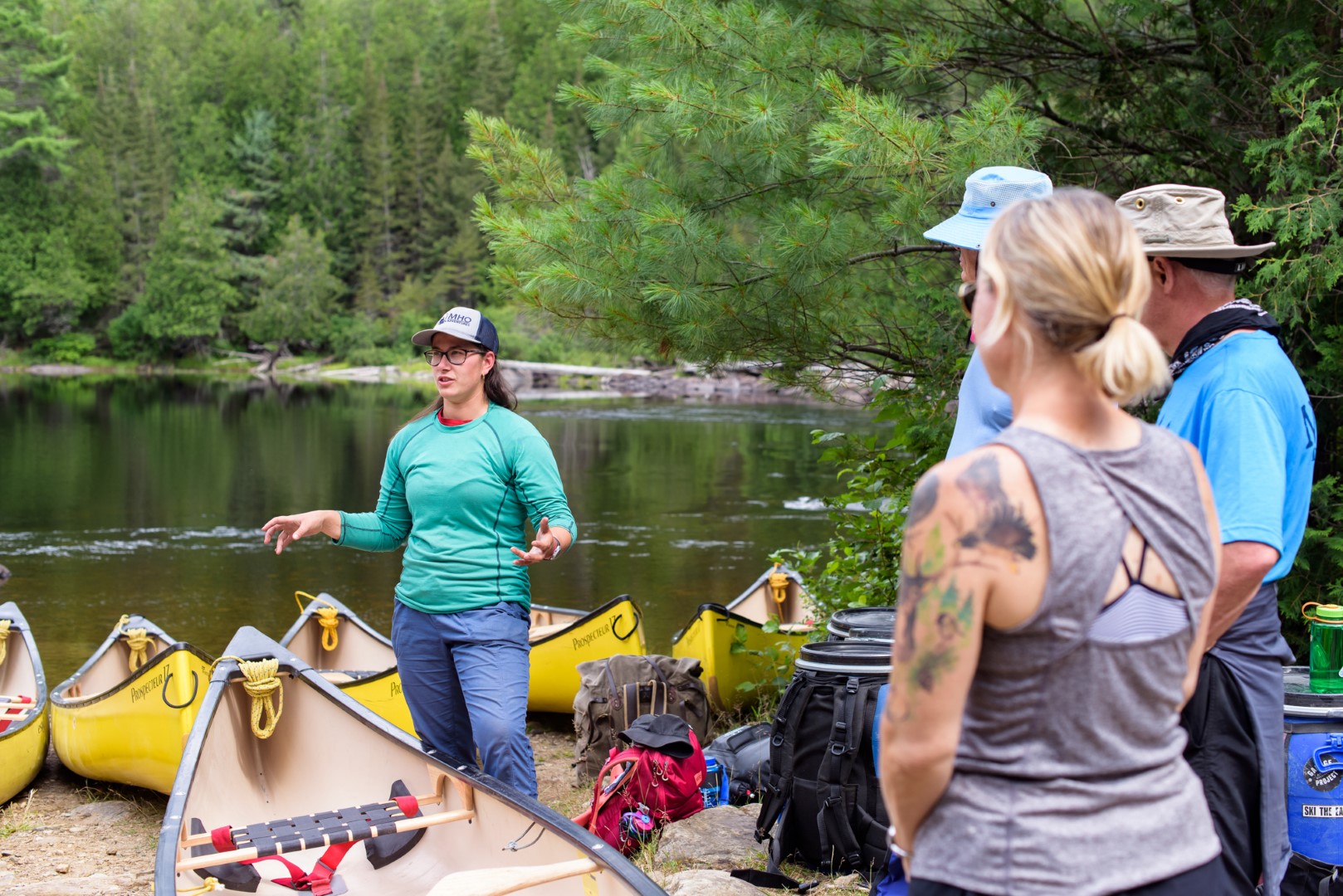
Hiring a professional guide is one of the best ways to keep yourself, your family and friends safe while out on the water. A professional guide with recognized certification and experience is worth every penny. They bring all the safety equipment, show you how to use it properly, and mitigate risk at every moment. The key here is hiring a certified professional, experience alone isn’t enough. There are plenty out there who might lead you to believe that because they’ve paddled this river a dozen times, they can take you down safely. Just this summer, I witnessed a “guide” taking a family down river make a huge error because he didn’t realize that two beginners in a tandem canoe could not paddle the same rapid that he could in his solo canoe. Seek out accredited and well-known companies. Professional guides are trained in group management, paddling safety and instruction, wilderness first aid, and emergency response. They also have the support of those back home via satellite communication.
As a novice, it’s important to take education and safety seriously. Watching a YouTube video can give you a good sense of what you’re getting into. However, it can’t replace hands-on training, or hiring a professional guide to take you on your first trip. If we want more people to enjoy and protect our waterways, as a paddling community we must support and encourage newcomers. Together we can help them thrive safely in our sport.